Rules
Part of Inside a typical pantry organization project, stage by stage
Vetting a pantry organization contractor before any range gets moved
Vet a pantry organization contractor: check range handling, anti-tip reinstallation, gas and electrical credentials, licenses, insurance and permits.
When hiring a pantry organization contractor, remember that pantry work sits close to appliances, gas and water. That raises the bar on who should do it, and it makes a few specific questions worth more than any number of reviews.
What to take away
- Ask who moves the range and who puts the anti-tip bracket back.
- Fuel-burning appliances deserve an annual professional check.
- New lighting or outlets means licensed electrical work.
- Get the reinstallation of safety hardware written into the scope.
The range question
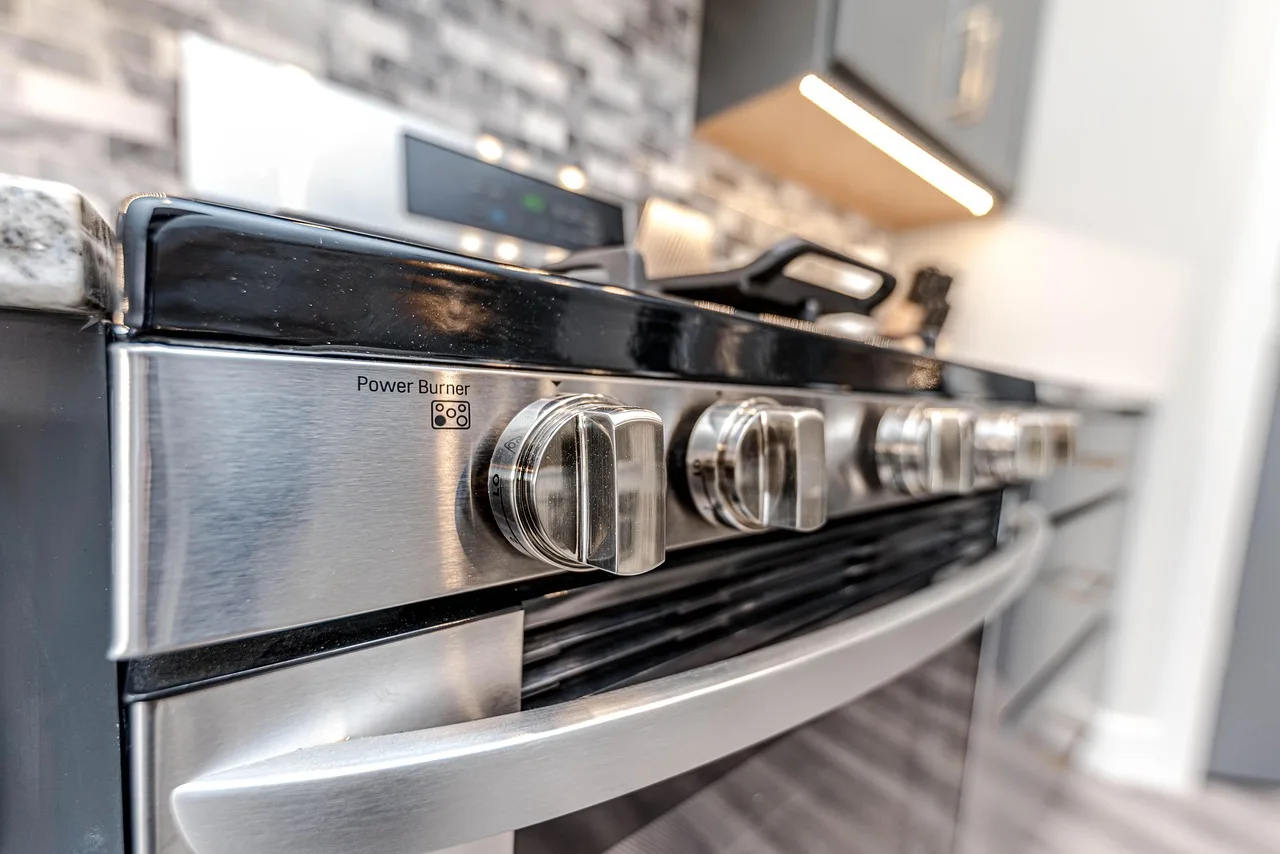
Pantry and kitchen storage work often means pulling the range out. Getting it back in correctly is a safety step, not a finishing touch.
Range tip-over deaths
38 fatalities, 1980-2008
20 involved children aged 1-5
About 53 percent were children
Anti-tip brackets required since 1991
CPSC's page on free standing kitchen ranges records 38 fatalities from range tip-overs between 1980 and 2008. Twenty of them, about 53 percent, involved children aged one to five.
Anti-tip brackets have been required under U.S. range product standards since 1991. The relevant standards include UL 858 for household electric ranges and ANSI Z21.1/CSA 1.1 for household gas cooking appliances. But the brackets need special installation procedures that homeowners or installers may disregard, prompting additional markings and installation requirements.
So ask directly:
- Will the range be moved, and by whom?
- Who reengages the anti-tip bracket, and will you show me it is engaged?
- Is a gas line involved, and who is qualified to disconnect and reconnect it?
For gas-line work, ask for a state-licensed plumber or, where your state recognizes one, a licensed gas fitter whose license covers gas piping. Verify the license and scope with the state contractor licensing board or local licensing office. If the credential category is unclear, ask the gas utility which qualifications it accepts.
Get the answers in the written scope. A bracket that is present but not engaged is the failure mode this question exists to catch.
The appliance and fuel check
Kitchens contain fuel-burning appliances, so reorganizing is a good time to have them checked.
CPSC's safety checklist for older consumers advises yearly professional checks of all fuel-burning appliances, including fireplaces, plus keeping space heaters away from flammables.
Both apply to any household, older adults included, and yearly checks are among the recurring costs a storage quote rarely includes.
Ask whether the contractor arranges that check or whether you should book it separately.
The electrical scope
Under-cabinet lighting, a new outlet for an appliance garage, or power inside a pantry are all licensed work in most jurisdictions.
- Which parts of this job require a licensed electrician?
- Will the work be inspected, and who arranges that?
- Are you adding circuits or extending existing ones?
- What happens if the existing wiring turns out to be unsuitable?
Permit rules vary by location. Before work starts, ask the local building department or permitting office whether electrical, gas or structural work needs a permit, who must apply, and who arranges the required inspection.
Credentials, insurance and references
- Can I see the license and the certificate of insurance?
- Who is on site day to day, and are they employees or subcontractors?
- Can I speak to two clients whose kitchens you finished more than a year ago?
- What warranty covers the fixings and the installation?
- How do you protect flooring and worktops while appliances are moved?
License rules vary by state and sometimes by city or county. Ask for the contractor's license number and classification, then check active status and authorized work in the official online lookup operated by the state contractor licensing board. If that work is licensed locally, check with the city or county licensing office.
Request a certificate showing general liability and workers' compensation coverage, effective dates and policy limits. Confirm active coverage with the insurer or agent using independently verified contact information. There is no single limit that fits every pantry job, so ask your homeowner's insurer what limits suit the project and check any local requirements.
Subcontracting is worth pinning down rather than assuming. A single contact who quotes, schedules and stands behind the whole job is worth paying a little more for, because kitchen work involves several trades arriving in sequence and the gaps between them are where problems appear.
Ask for older references rather than recent ones. A kitchen looks good in week one; the interesting question is how it looks after a year of cooking. The general version of this interview is in What to Ask Before Hiring Help With Home Organization, and What Happens During a Typical Pantry Organization Project describes the work stage by stage.