Maintenance
Part of Inside a typical pantry organization project, stage by stage
Maintaining a pantry after year one: resets, checks, and stock rotation
A yearly maintenance routine for a working pantry: weekly resets, quarterly date checks, emergency stock rotation and the annual packaging and shelf audit.
Year one is design. Year two is maintenance, and it is where most pantries quietly revert. The routine below takes about two hours across a whole year, spread so thinly that no single session feels like a project.
What to take away
- A ten-minute weekly reset prevents the annual overhaul.
- Emergency water and food need dated rotation, not shelf space.
- Original child-resistant packaging matters more than the container looks.
- Once a year, audit the shelves themselves, not just the contents.
Weekly: the ten-minute reset
Weekly ten-minute reset
- Return anything that has landed on the counter.
- Move items forward so the back row is visible.
- Note anything a zone has outgrown.
- Bin anything obviously expired.
The purpose is to keep the zones honest. A pantry that is reset weekly never needs a rescue.
Ten-minute weekly pantry reset
- Return counter items to pantry
- Move items forward, expose back row
- Note zones that have outgrown space
- Bin anything obviously expired
Quarterly: dates and rotation
Once a quarter, check dates by zone rather than by shelf, and rotate emergency stock.
Storing water in soda bottles
- Clean bottles with dish soap, rinse
- Sanitize1 tsp bleach per quart
- Rinse sanitizing solution out fully
- Fill with tap water, cap without touching inside
- Write date outside, store cool and dark
Stored water is the item most often forgotten. FEMA's guidance on storing water in plastic soda bottles sets out steps:
Clean bottles thoroughly with dishwashing soap and rinse completely, then sanitize with a solution of one teaspoon of non-scented liquid household chlorine bleach to a quart of water and rinse sanitizing solution out. Fill with tap water and close with original cap without touching its inside. Write the date on the outside and store in a cool dark place.
Writing the date on the outside is the part that makes rotation possible. Undated containers become permanent residents.
Twice a year: the chemical and packaging audit
Cleaning products drift back into food cupboards. Twice a year, put them back where they belong and check that they are still in their original packaging.
That packaging is a designed safety feature. CPSC notes the Poison Prevention Packaging Act passed in 1970 and effective in 1972, covers 31 substances and categories of substances commonly found throughout the home. Its staff support standards work to reduce poisonings of children younger than five.
Decanting a covered product into an attractive jar throws that protection away. It removes the label that tells anyone what is inside.
Annually: audit the shelves
Contents get all the attention. The structure needs a look too.
- Shelves level, with no sagging or water staining.
- Wall clips and brackets tight, no movement when pulled.
- Any tall freestanding unit still anchored, strap flexible not brittle.
- Light still working, batteries dated.
- Nothing stored against a heat source or blocking a vent.
Pair this with the smoke alarm check so it never needs its own reminder. The whole-house version of the same audit is in the storage checklist, and the original build it maintains is described in the pantry project guide.
What decay looks like
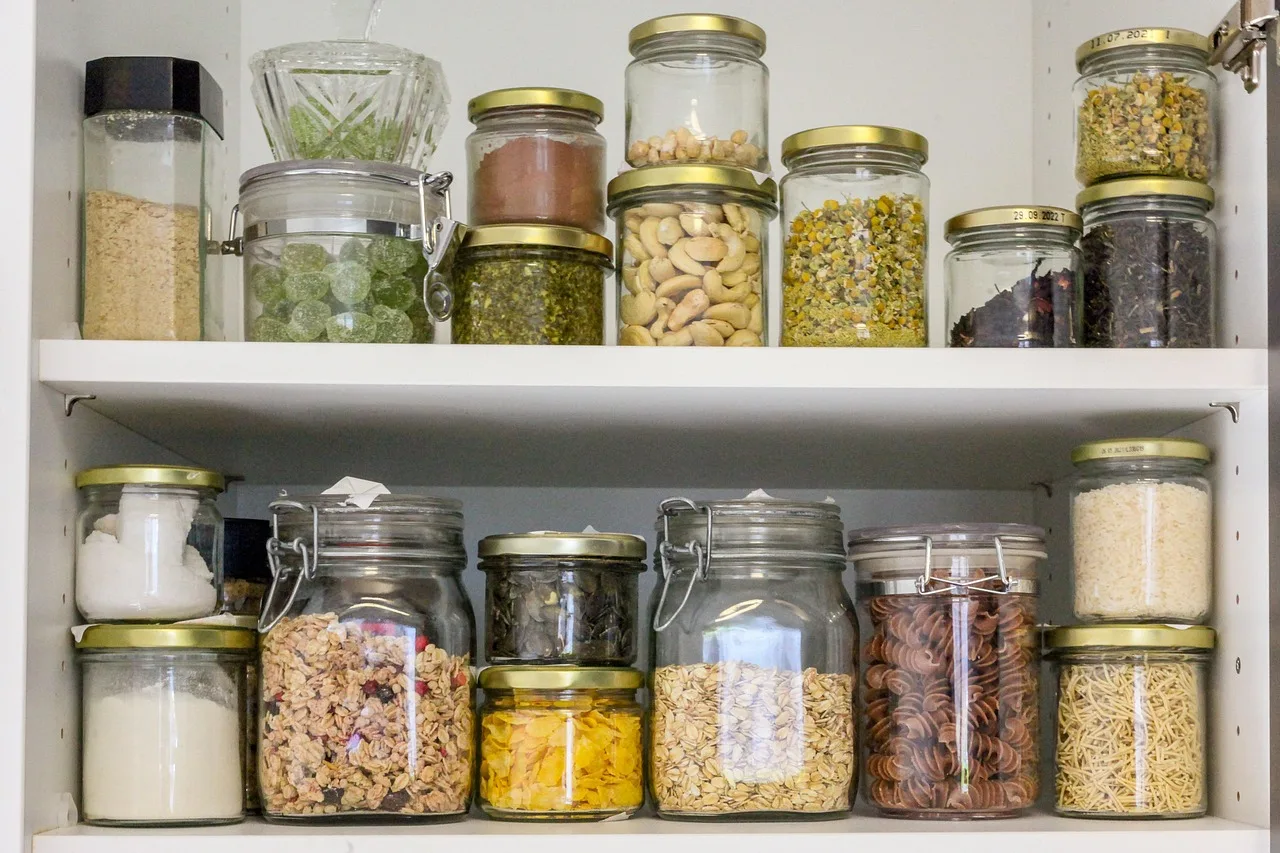
Food stacked on the counter, a zone that has spread into a neighbor, a back row nobody has touched in months, or cleaning products sitting beside cereal. Any of those means the design needs adjusting, not that the household needs to try harder.
The most reliable early warning is the counter. When items start living beside the pantry rather than inside it, the pantry has run out of the right kind of space, and no amount of tidying will change that until a zone is resized.