Reviews
Part of Inside a typical pantry organization project, stage by stage
Pantry organization upgrades ranked by daily use: lighting, shelf depth, step stool safety, and skips
Pantry organization upgrades sorted into four tiers by how often you notice them, from lighting and shelf depth to step stool safety and what to skip.
A pantry upgrade earns its place if you notice it every day. By that test, most of the popular ones fail and two cheap ones win easily.
What to take away
- Light and reachable depth beat every container decision.
- Pull-out shelves fix deep cupboards better than any basket.
- A stable step stool is a safety purchase, not a convenience.
- Keeping the cooking zone clear is the upgrade with the highest stakes.
Tier one: felt daily
Lighting. A pantry is a dark box with a person standing in the doorway blocking the only light source. A strip light at the top of the opening changes what gets used and what quietly expires at the back.
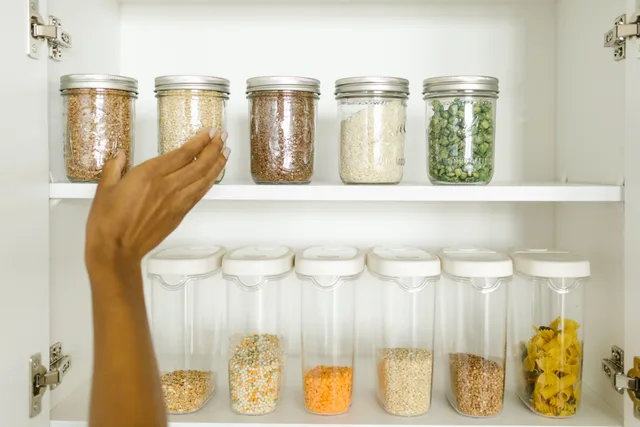
Reducing depth. Shallow shelves, or pull-out trays in deep ones, are the difference between a pantry and an archive. Two rows deep is the practical maximum for anything you cook with.
Zones with fixed volumes. Free to implement, and the only thing that stops a pantry refilling to its old state.
Tier two: safety upgrades that pay off daily
A stable step stool. High shelves in a pantry are only useful if reaching them is safe, and step stools have a real failure record. Tricam Industries recalled about 84,000 step stools in 2012 after five reports of the standing platform breaking, one of which included scrapes and abrasions to a consumer. Buy a stool with a top handrail, check the model against recall listings, and store it where it is easy to reach.
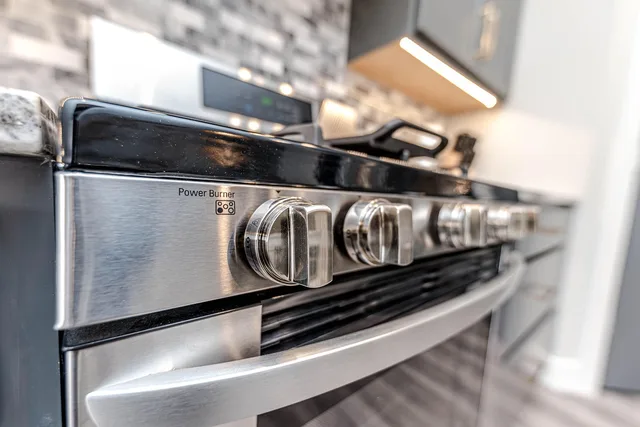
Clear space around the cooking zone. Pantry overflow tends to migrate onto the counter beside the range, which puts packaging next to heat. CPSC's stand by your pan message is blunt on the underlying point: unattended cooking is the leading cause of home fires. A cluttered counter makes people leave the kitchen to find space elsewhere, which is exactly the behavior to avoid.
Tier three: useful with conditions
Door racks. Real capacity for spices and wraps, provided the door still closes properly and the rack does not foul a shelf.
Lazy susans in corners. Genuinely useful in a deep corner, and pointless anywhere else.
Under-shelf baskets. Good for one specific gap, not for a whole pantry.
A small bin inside the door for packaging. Sounds trivial, and it removes the main reason cardboard piles up on the floor of a pantry.
Each of these is conditional on the same thing: it must not add a step to retrieving something you use every day. A rack that has to be swung aside to reach the shelf behind it will be abandoned within a month, however well it was made.
Tier four: skip
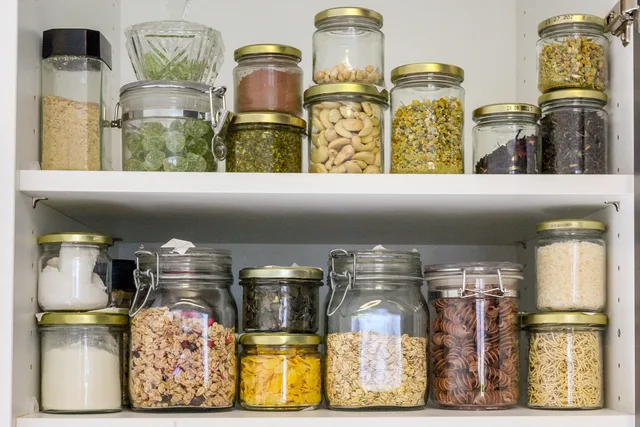
Matched decanting sets bought before the sort, chalkboard labels that need rewriting every time contents change, tiered spice racks that hold half of what a drawer insert would, and anything that requires removing an item to see another item.
The ranking rule
Frequency multiplied by friction removed, with safety treated as non-negotiable rather than scored. That is the same test applied to small homes generally in the upgrades comparison, and the layout these upgrades attach to is described in the pantry project guide.
Applied honestly, that rule leaves most households with a very short shopping list and a noticeably better pantry, which is usually the opposite of what they expected to be told.