Maintenance
Ranking organization mistakes from blocked exits to cosmetic complaints
A ranking of household organizing mistakes by consequence, from blocked exits and unanchored furniture down to the cosmetic errors people worry about most.
Organizing advice treats all mistakes as equal, which is why people spend a weekend relabeling jars while a bookcase stands unanchored in a child's bedroom. This is the same list ranked by consequence instead of by visibility.
What to take away
- Blocked exits and unanchored furniture sit in a category of their own.
- Accumulation is a fire service problem before it is a tidiness problem.
- Most cosmetic mistakes cost an afternoon to correct.
- Fix in order of consequence, not in order of annoyance.
Tier one: mistakes that can hurt someone
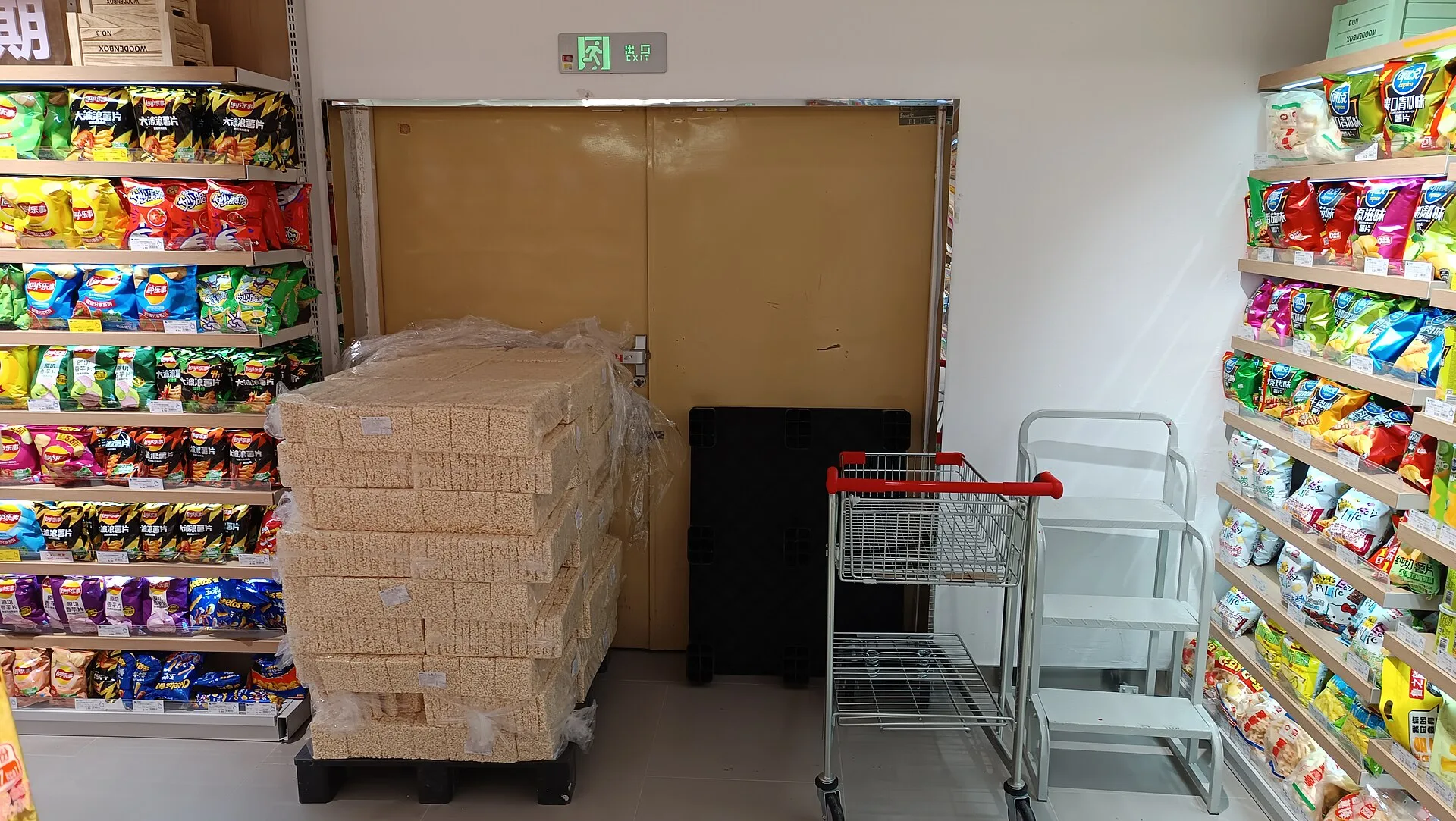
Storage that narrows an exit. Boxes in a hallway, bags on stair treads, furniture under an egress window. These change nothing during the day and change everything at three in the morning.
Volume that outgrows the house. NFPA publishes a tip sheet on why an excessive accumulation of belongings increases fire hazards and how to reduce the risk of fire injury. The relevant point for ordinary households is that this is a spectrum, not a category, and a garage that cannot be walked through is already on it.
Unanchored tall furniture. CPSC's home safety guidance for households with young children is direct: unsecured televisions and furniture can tip over and cause injuries and deaths, inexpensive anchoring kits can be installed in about five minutes, and items such as toys or remote controls should not be placed where children are tempted to climb to reach them. The same guidance says to store laundry products up high and out of sight.
Chemicals and fuel indoors. Solvents, paint and fuel stored beside living space or a heat source.
Tier two: mistakes that cost money
- Choosing a material that cannot survive the room.
- Loading a shelf to its printed maximum on the day it is installed.
- Installing storage before fixing a moisture problem.
Tier three: mistakes that cost effort
- Deep shelves that turn into archives.
- Stacked bins with no shelving between them.
- Zones with no volume limit.
- Labels applied to a system that has no zones.
- Daily items stored above shoulder height, needing a stool every morning.
- A layout only one member of the household understands.
Tier four: mistakes people worry about too much
Mismatched containers, imperfect labels, a shelf that is not styled, a closet that would not photograph well. These cost nothing and fix nothing.
The reason this tier attracts so much attention is that it is the only one with a visible before and after. Clearing a stairway produces a photograph of an empty stairway, which nobody posts. That asymmetry is worth naming, because it quietly directs household effort toward the least useful work.
The order of work
- Walk every exit route in the dark and clear it.
- Anchor everything tall, starting with children's rooms.
- Move fuel, solvents and chemicals out of living space.
- Fix moisture before buying storage for a damp room.
- Sort, then measure, then buy.
- Only then worry about how it looks.
That order is deliberately unglamorous and it is the whole method. The planning sequence it assumes is set out in the field guide, and the drift that creates most of these problems is described in the off-track piece.
Common questions
Where should a household start?
Is an unanchored bookcase really tier one?
How do I know if accumulation has become a safety problem?
Do cosmetic mistakes ever matter?
In this guide
- Do these products actually fix common organization mistakes?Named anchor kits, ventilated shelving, task lights and pull-out trays are matched to the storage mistakes each one actually corrects in real homes.
- Five home storage mistakes that keep repeating and how to stop themFive repeating home storage mistakes: unanchored tall units, lead paint risk, load ratings taken literally, blocked exits, and undocumented hardware swaps.
- Budgeting a fix, not a redo: the real cost of organization mistakesHow to cost a correction rather than a fresh project: triage by consequence, claim free replacement hardware, and price hazardous disposal before you start.
- Organization mistakes: the questions to ask before hiring anyone to fix themQuestions for a corrective storage job: who diagnoses the cause, who moves loaded furniture, whose ladder is used, and what evidence you get at handover.