Features
Part of Does an organized home makeover change as much as it seems to?
Can an organized home makeover ignore what the local climate demands?
Regional constraints on a whole-house organizing project: which rooms can hold what, local hazard planning, and the seasonal storage that needs its own rules.
What to take away
- No. Climate decides which rooms can hold which categories, so the allocation comes before any container is bought.
- Dry, temperature-stable rooms take paper, photos, electronics and textiles. Damp or swinging rooms take tools, sports gear and bulk overflow.
- Flood, wildfire and hurricane zones each force at least one category to move, and the move is decided before shelves go up.
- Attic heat, basement moisture and garage clearance undo more makeovers than a shortage of shelves ever does.
- The project ends after one full seasonal cycle and one correction pass, not on the day the photos are taken.
A whole-house makeover that ignores the local climate fails on a schedule. Every category a household stores has a tolerance for moisture, heat and temperature swing. Every room has a condition profile. The makeover is the match between the two.
Sort rooms by condition before you buy anything
Walk the house and write down three things for each room: how damp it gets, how far the temperature moves, and whether water has ever reached it. Space tells you the least, because space changes the moment something is removed.
[figure 1]
Allocate by room conditions
- Documentsstable room, above water line
- Fuel and paintoutside living space
- Batteriesstable temperature, not attic
- Textilesventilated, dry, away from heat
- Seasonal bulkleast demanding room
Sort rooms by condition
| Room type | Condition | Fits well | Keep out |
|---|---|---|---|
| Interior closet, conditioned | Dry and stable | Clothing, linens, documents, photos | Nothing serious |
| Pantry off the kitchen | Warm and dry | Dry goods, small appliances | Paper, electronics, wax |
| Unfinished basement | Damp and cool | Tools, camp gear in sealed bins | Paper, photos, textiles, electronics |
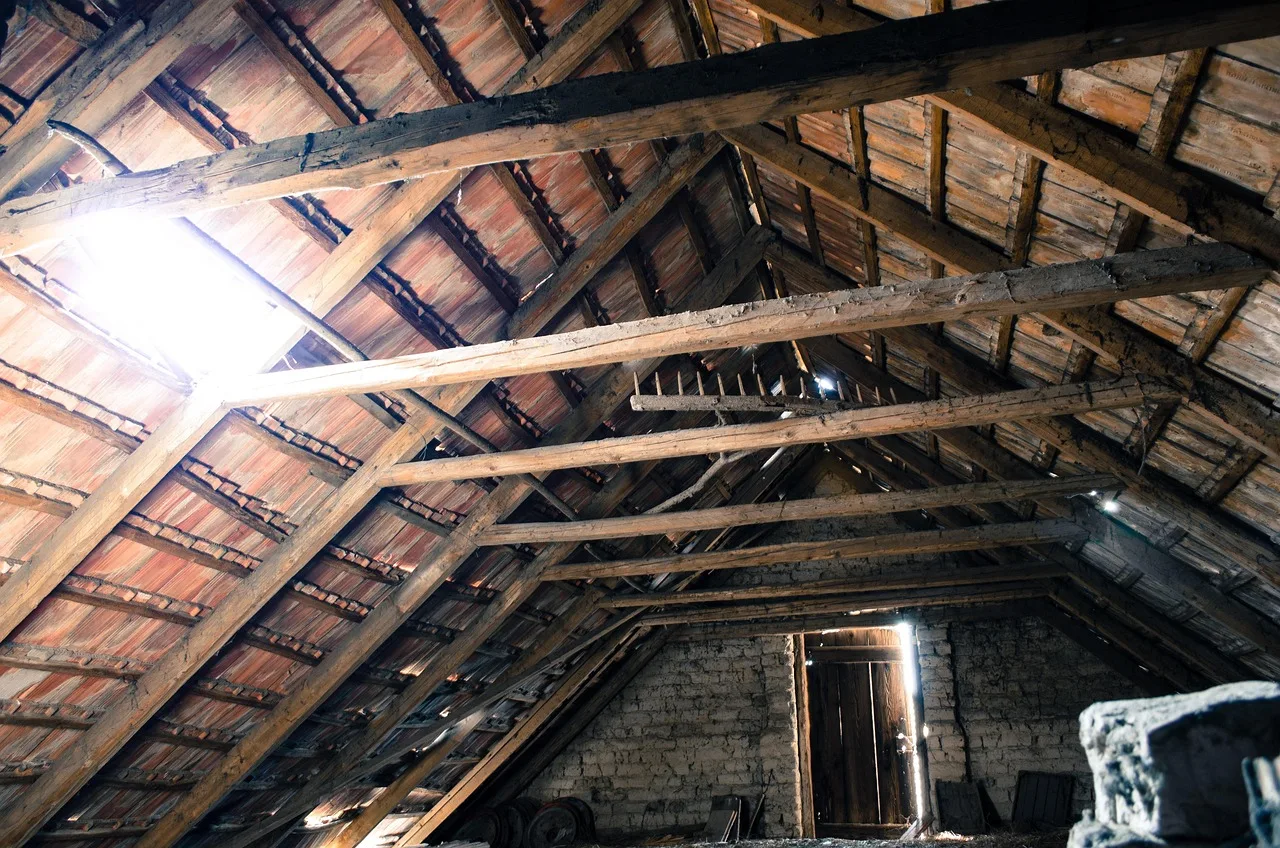
| Unconditioned attic | Hot swings | Hard goods, empty luggage | Wax, adhesives, electronics, photos |
| Attached garage | Swing plus fumes | Sports gear, lawn tools | Paint, solvents, documents |
A typical working range for paper, photos and textiles is 30 to 50 percent relative humidity. Treat that as a typical range, not a fixed rule, and check the room during the season that worries you most. EPA guidance on moisture control and mold explains what happens once that ceiling is missed.
What changes in three regional climate cases
Gulf Coast humidity. Air conditioning runs almost all year, so the inside of the house stays dry while the garage and shed do not. Gasketed bins belong outside the conditioned envelope. Cardboard does not.
Desert heat and dust. Attic temperatures swing high enough to soften adhesives and stress lithium batteries. Open wire shelving collects dust, so closed cabinets earn their cost.
Northern freeze. The freeze-thaw line runs through the garage and the mudroom. Anything that absorbs water, from paper to fabric, sits above the floor and away from exterior walls.
Damp Seattle and hot Phoenix pull storage materials in opposite directions, and the material choices for each climate go further than one table can.
Hazard decisions that change where things live
Three decisions cover most of it.
- Find the highest water line the property has seen, and keep everything irreplaceable above it. In a flood zone that usually means the ground floor or higher, never a basement shelf.
- Put the evacuation kit beside the main exit. Ready.gov's advice to know your hazards, alerts and evacuation route only pays off if the kit is reachable while you are walking out.
- In wildfire country, hold documents and medications in one grab-and-go box near the door. Warnings often arrive with minutes to spare.
A household checklist for storage systems should record all three decisions before a shelf is fixed to a wall.
[figure 2]
Three hazard decisions to record
- Which room holds documents and irreplaceables
- Where emergency supplies live for pickup
- Whether any of those rooms floods
Rules for seasonal decoration storage
Seasonal decoration storage rules
- Inspect light sets while packing, and discard damaged ones instead of storing them.
- Keep candles and anything wax out of unconditioned attics.
- Give the decoration category one fixed footprint, with no annual growth.
- Label each box with the season it belongs to.
- Keep paint, solvents and propane off garage shelving entirely.
NFPA's winter holiday guidance notes that careful decorating helps make the holidays safer. Packing time, not opening time, is when those rules are easiest to apply.
Example: one category moved after the first humid summer
A household stored tax records and birth certificates in a basement closet because the shelf was empty. By August the paper felt soft and one envelope smelled of mildew. The review moved the boxes to a main-floor bedroom closet, above any known water line, and the basement shelf took camp gear in sealed bins instead. That is the plan working. The recurring climate mistakes that keep repeating follow the same pattern.