Industry
Part of Home organization for safer storage systems
Five home organization failures that show up months later
Five recurring home organization failures: unanchored furniture, wall-hung cabinets pulling loose, blocked exits, undocumented hardware swaps and no handover.
Storage projects rarely fail dramatically. They fail slowly, in ways that only show up months later when someone leans on the wrong thing. These five patterns keep repeating, and each has published evidence behind it.
What to take away
- The most expensive mistake is a tall unit that was never anchored.
- Wall-hung storage transfers its whole load to a few fasteners.
- A finished room that blocks an exit is not finished.
- Hardware substitutions made on site are rarely documented.
- Nobody remembers the plan a year later unless it was written down.
Lesson one: unanchored means unfinished
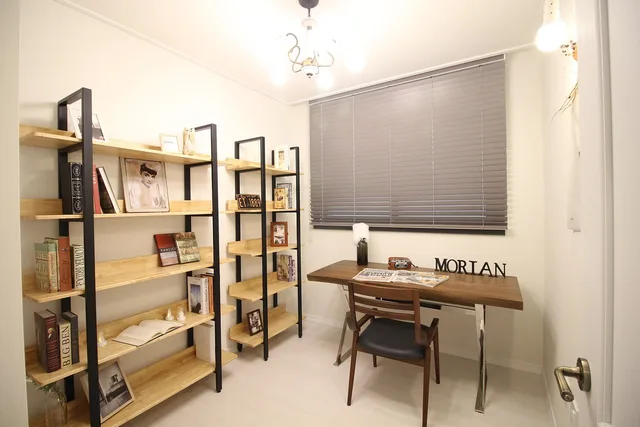
A bookcase that is upright is not the same as a bookcase that is secure. In 2024, Dania Furniture recalled about 940 Hayden bookcases after a tip-over incident with an unanchored unit killed a four-year-old child. The remedy offered was free in-home installation of a restraint kit, which tells you how the manufacturer viewed the root cause.
Treat anchoring as part of assembly, not as an aftercare task. A unit that is waiting for its anchor should be lying on its back, not standing up.
Lesson two: wall-hung storage is a fastening problem
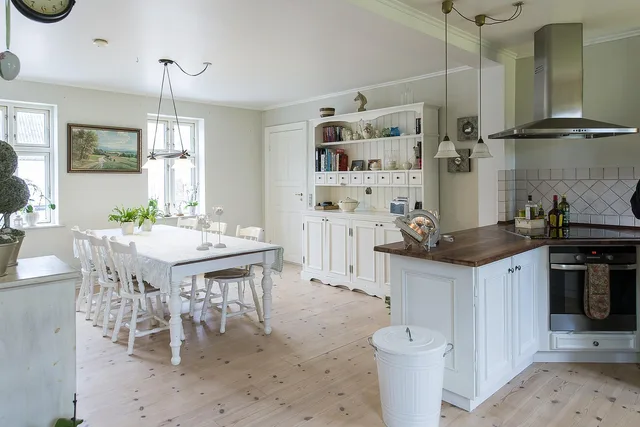
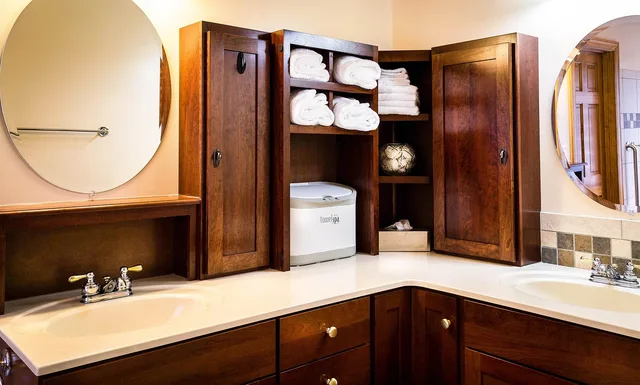
Upper cabinets and floating shelves look weightless and are not. American Woodmark recalled about 235,000 kitchen wall cabinets in 2023 after 90 reports of cabinets partially separating or detaching from the wall, and the repair kit was two brackets and screws.
The lesson generalizes. Before hanging anything, find out what is behind the plaster, what the fastener is rated for, and what the load will be once the shelf is full rather than when it is photographed empty.
Lesson three: the exit test comes last and should come first
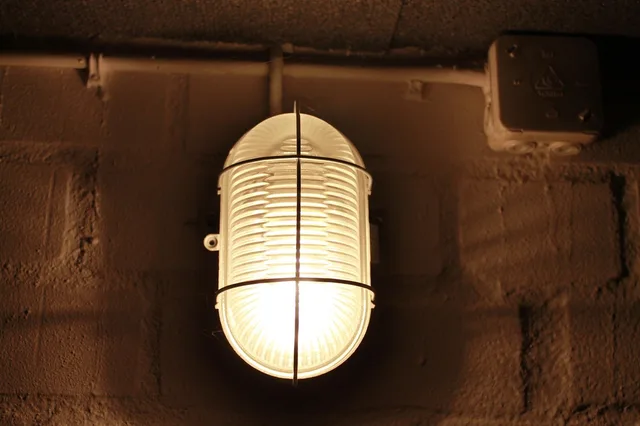
Households add storage to the widest part of a room and then to the second widest, which is usually a hallway. Once boxes stand along a corridor or under a basement window, the escape route has changed and nobody has noticed. Do the walk-through in the dark before signing off, not after.
Lesson four: substitutions do not get written down
Installers run out of the specified anchor and use what is in the van. Six months later the strap has gone brittle, and there is no record of what was actually fitted. Ask for the hardware to be listed on the invoice by type, and keep the packaging for anything that holds weight or holds furniture to a wall.
Lesson five: a system without a handover is a system that decays
The person who designed the layout knows why the second shelf is empty. The rest of the household does not. A single page taped inside a cupboard door, listing what goes where and what stays clear, keeps a plan alive far longer than a label maker does.
What to do differently next time
- Anchor before you load, every time.
- Photograph open walls before they close.
- Record the hardware actually installed, not the hardware specified.
- Re-walk the exits at the end of the job.
- Write the handover page while the reasons are fresh.
These habits cost almost nothing during a project and are painful to add later. The wider sequencing is covered in the planning guide, and if you are bringing in a contractor or organizer, decide on the questions to ask before you book.